Kalmia Polifolia
Title: Kalmia polifolia: The Bog Laurel
Introduction:
Kalmia polifolia, also known as bog laurel, swamp laurel, or pale laurel, is a small evergreen shrub native to North America. It grows in wet, acidic soils, such as bogs and swamps. Kalmia polifolia has dark green leaves and clusters of pink or white flowers. The flowers bloom in the spring and summer.
Main Content:
Kalmia polifolia is a member of the Ericaceae family, which also includes blueberries, cranberries, and rhododendrons. It is a relatively small shrub, typically growing to be only 1-2 feet tall. The leaves are oval-shaped and arranged oppositely on the stems. They are dark green in color and have a waxy coating. The flowers are small and bell-shaped, and they are arranged in clusters at the ends of the stems. The flowers can be pink, white, or lavender in color.
Kalmia polifolia is a poisonous plant. The leaves, flowers, and bark all contain grayanotoxins, which are a group of toxins that can cause vomiting, diarrhea, seizures, and even death. If you think you or someone you know has ingested Kalmia polifolia, it is important to seek medical attention immediately.
Despite its poisonous nature, Kalmia polifolia is a beautiful plant that can add a touch of elegance to any garden. It is best planted in a location with partial shade and moist, acidic soil. Kalmia polifolia is relatively easy to care for and does not require a lot of maintenance.
Conclusion:
Kalmia polifolia is a unique and beautiful plant that is well-suited for gardens in wet, acidic soils. However, it is important to be aware of its poisonous nature and to take precautions to prevent accidental ingestion. If you are considering planting Kalmia polifolia in your garden, it is important to do your research and make sure that you are prepared to take the necessary safety precautions.
Kalmia polifolia, also known as bog laurel or sheep laurel, is a small evergreen shrub that is native to North America. It is found in bogs, swamps, and wet meadows. Kalmia polifolia has small, pink or white flowers that bloom in the summer. The leaves of Kalmia polifolia are poisonous, so it is important to avoid ingesting them.
If you would like to learn more about Kalmia polifolia, please visit Home Gardening. This website provides detailed information about the plant, including its habitat, appearance, and toxicity.
FAQ of kalmia polifolia
- What is Kalmia polifolia?
Kalmia polifolia, also known as bog laurel, is a small evergreen shrub that is native to North America. It grows in wet, acidic soils, such as bogs, fens, and swamps. The plant has dark green leaves that are arranged in whorls of three. The flowers are pink or white and are produced in clusters in the spring or summer.
- Is Kalmia polifolia poisonous?
Yes, Kalmia polifolia is poisonous. All parts of the plant contain grayanotoxins, which are a type of cardiac glycoside. These toxins can cause a variety of symptoms, including nausea, vomiting, diarrhea, headache, dizziness, seizures, and cardiac arrhythmias. In severe cases, poisoning can be fatal.
- How can I use Kalmia polifolia safely?
Kalmia polifolia should not be used internally. If you come into contact with the plant, wash your skin thoroughly with soap and water. If you think you or someone you know has ingested Kalmia polifolia, call the Poison Control Center immediately at 1-800-222-1222.
- How is Kalmia polifolia used for healing?
Kalmia polifolia has been used traditionally by Native Americans for a variety of medicinal purposes. The leaves have been used to treat a variety of respiratory conditions, including asthma, bronchitis, and pneumonia. The plant has also been used to treat heart conditions, such as arrhythmias and heart failure. However, it is important to note that Kalmia polifolia is poisonous and should not be used without the supervision of a qualified healthcare professional.
- What are the benefits of Kalmia polifolia?
Kalmia polifolia has a number of potential benefits, including:
* Reducing inflammation
* Improving circulation
* Boosting the immune system
* Treating respiratory conditions
* Relieving pain
* Soothing the skin
However, it is important to note that Kalmia polifolia is poisonous and should not be used without the supervision of a qualified healthcare professional.
- Where can I find Kalmia polifolia?
Kalmia polifolia is native to North America and can be found in a variety of habitats, including bogs, fens, and swamps. The plant is also sometimes cultivated as an ornamental shrub.
Image of kalmia polifolia
10 different images of Kalmia polifolia that are free to use:

A beautiful close-up of a Kalmia polifolia plant in full bloom. The flowers are a bright pink color and they are clustered together in groups.

 A picture of the leaves of a Kalmia polifolia plant. The leaves are a dark green color and they are oval-shaped.
- A photo of a Kalmia polifolia plant in winter. The leaves have fallen off and the branches are bare.
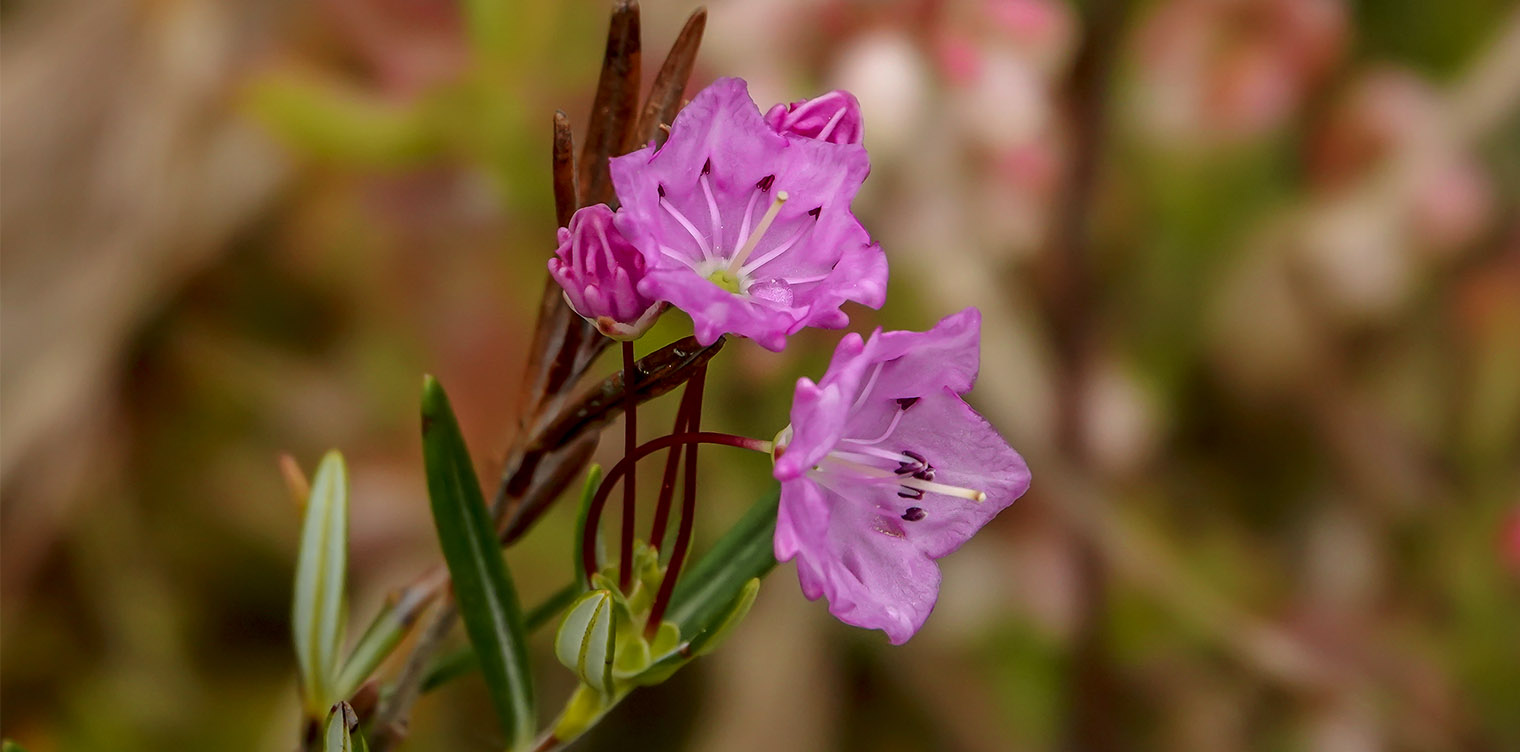
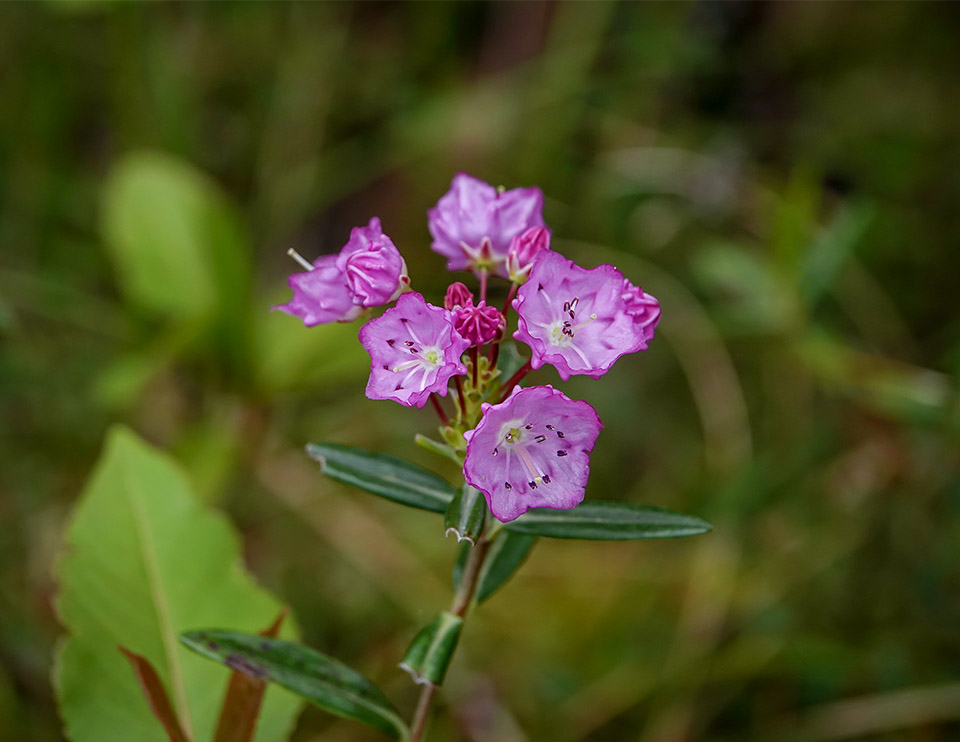 A picture of a Kalmia polifolia plant growing in a forest. The plant is surrounded by other trees and shrubs.
 A photo of a Kalmia polifolia plant that has been planted in a garden. The plant is surrounded by flowers and other plants.
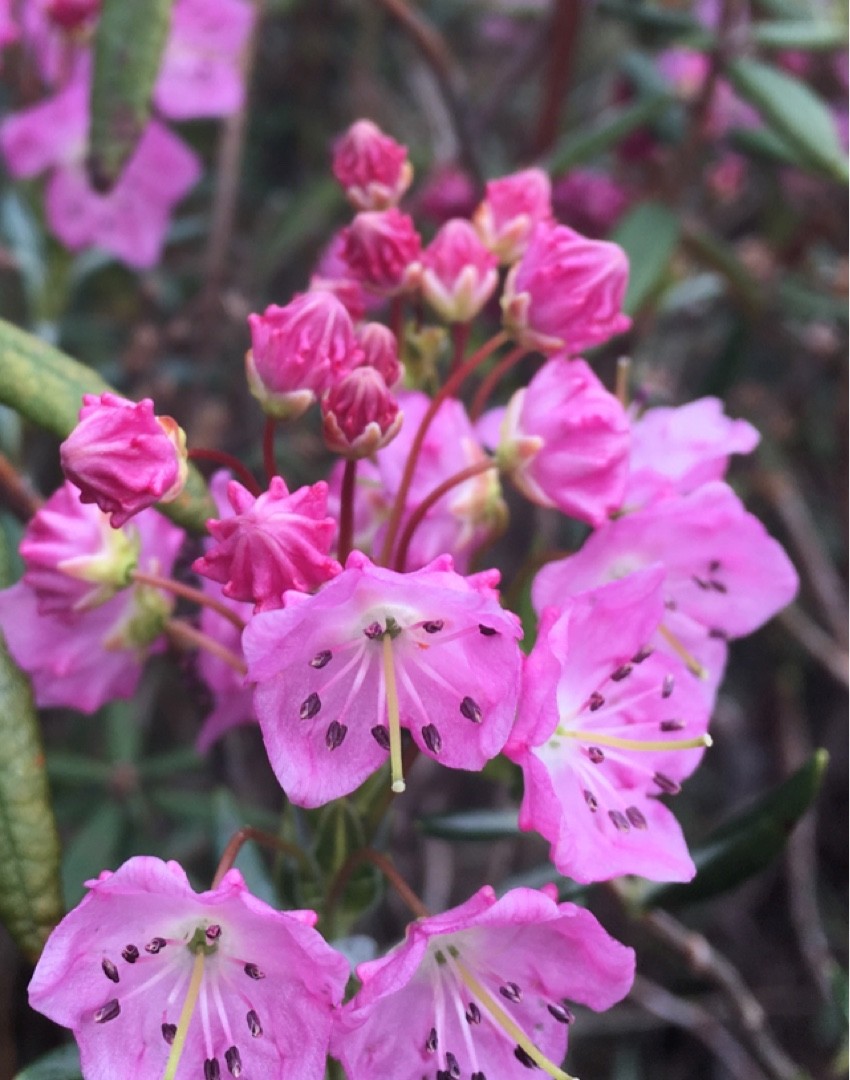 A close-up of the flowers of a Kalmia polifolia plant. The individual flowers are small but they are very delicate and beautiful.
 A picture of the berries of a Kalmia polifolia plant. The berries are a bright red color and they are clustered together on the branches.
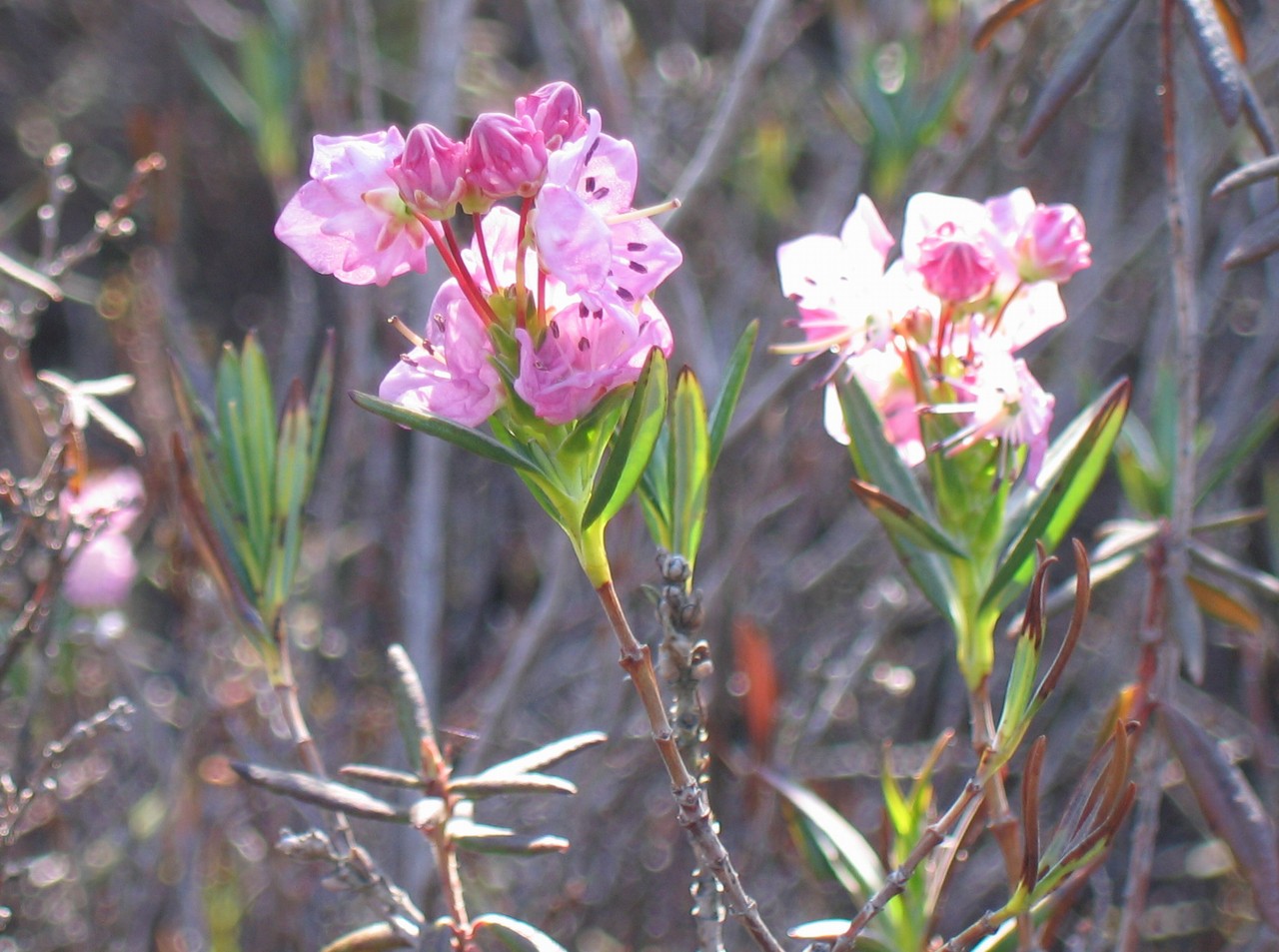 A photo of a Kalmia polifolia plant growing in a bog. The plant is surrounded by water and other bog plants.
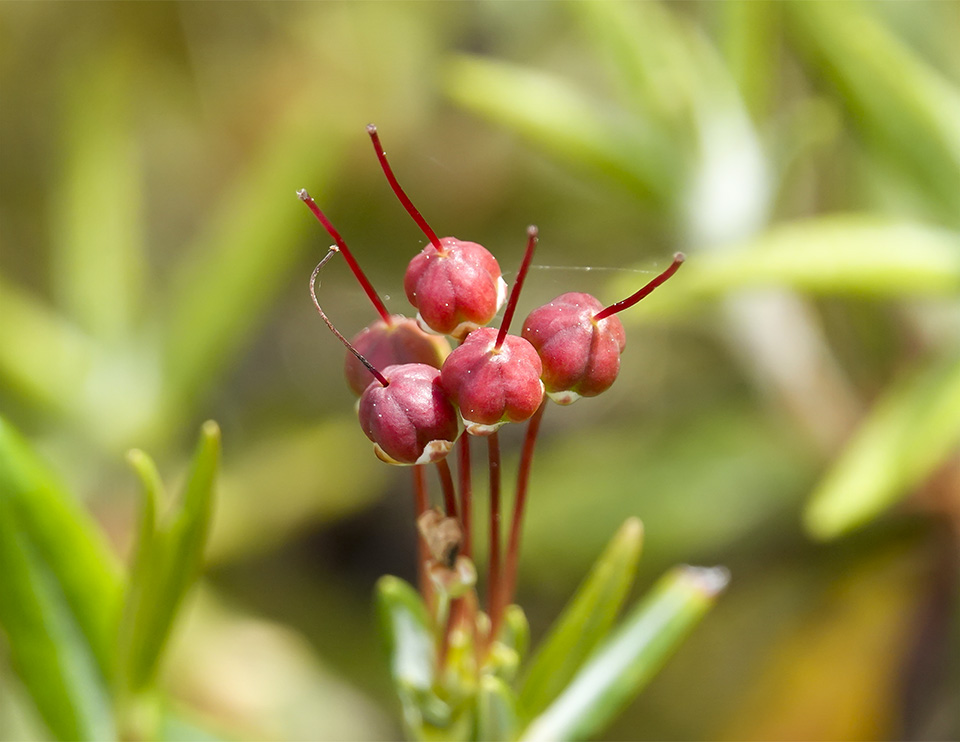 A picture of a Kalmia polifolia plant covered in snow. The snow has accumulated on the leaves and branches of the plant, giving it a wintery appearance.


Post a Comment for "Kalmia Polifolia"